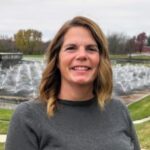
2025 Inspiring Woman of Wastewater

Aimee Wendolowski
Position: Environmental Technician
Company: Massachusetts Municipality
Time in the Industry: 7 Years
“Network with other women operators, everyone has something you can learn from them. Don’t be afraid to chase after what you want.”
What does a typical day look like for you on the job?
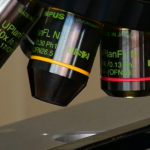
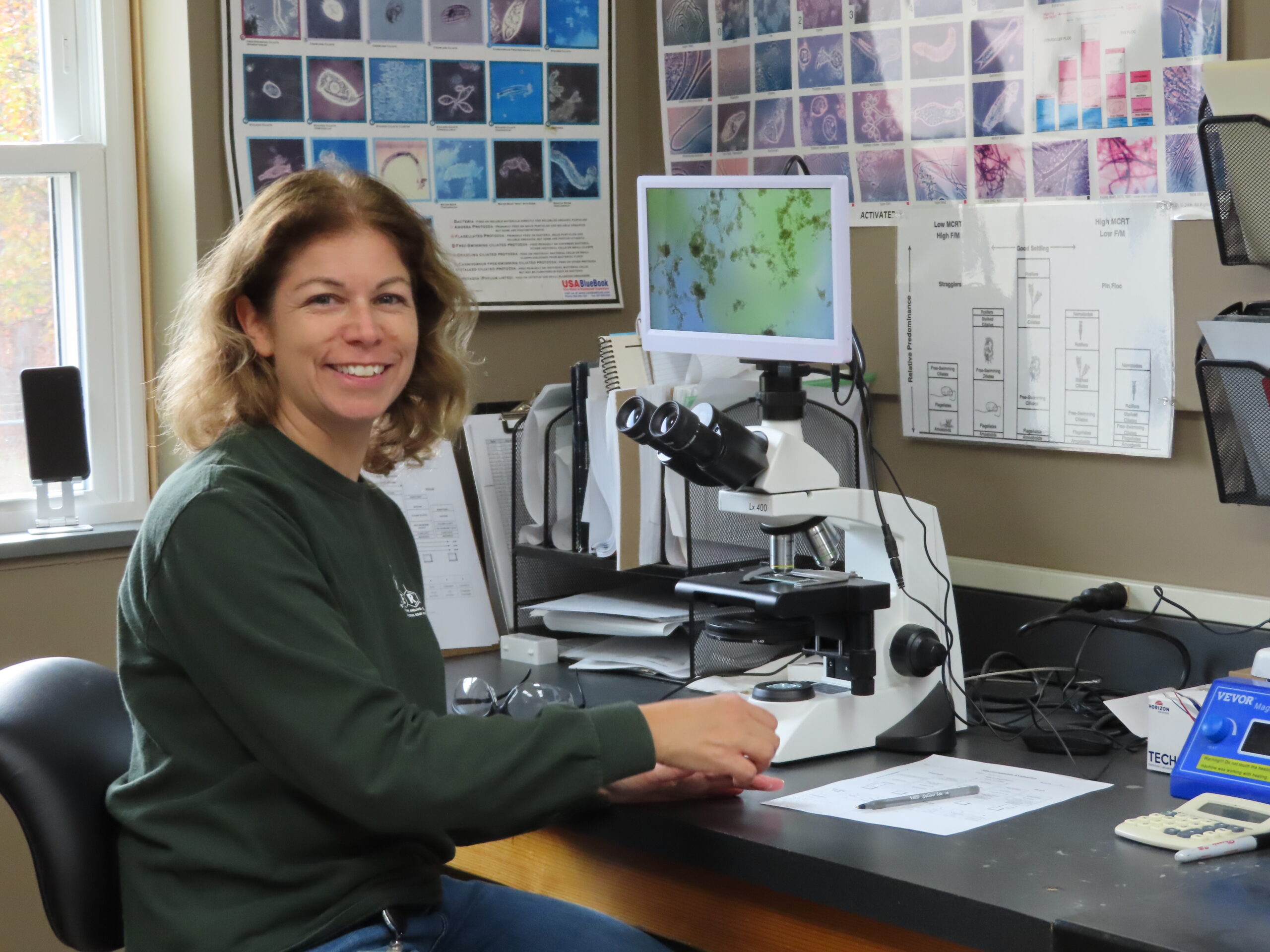
First thing when we come in, we check the HMI system to see the trends of the plant overnight. After samples have been collected, I will analyze them, look at the results, and make process control changes to the plant. Since I work in a treatment plant that processes pulp and paper waste, we tend to run low on nutrients. There are multiple additions of urea and ammonium polyphosphate added to the aeration basin when needed. Because of these additions, there is considerable sampling and monitoring to determine if the biology is getting what it needs to be healthy. There are also multiple microscopic evaluations done daily to see if any changes or impacts to the biology have occurred. We have also increased analysis to include a nitrogen reduction plan for our final effluent. This has added a lot of sampling and analysis, but it has been very beneficial as NPDES permits are starting to tighten nitrogen limits.
Why did you decide to pursue a career in the wastewater field? Did you always want to work in this field or was there a defining moment in which you chose this path?
I have always had a career in the environmental field. I have worked in rivers and streams doing fisheries work, environmental compliance for hydro and nuclear power plants, to balancing landfills and burning off the methane with flares. Wastewater seemed natural for my next step. To be able to be part of cleaning up millions of gallons of water a day to be discharged to a river without impacting the fish or environment is a really good feeling.
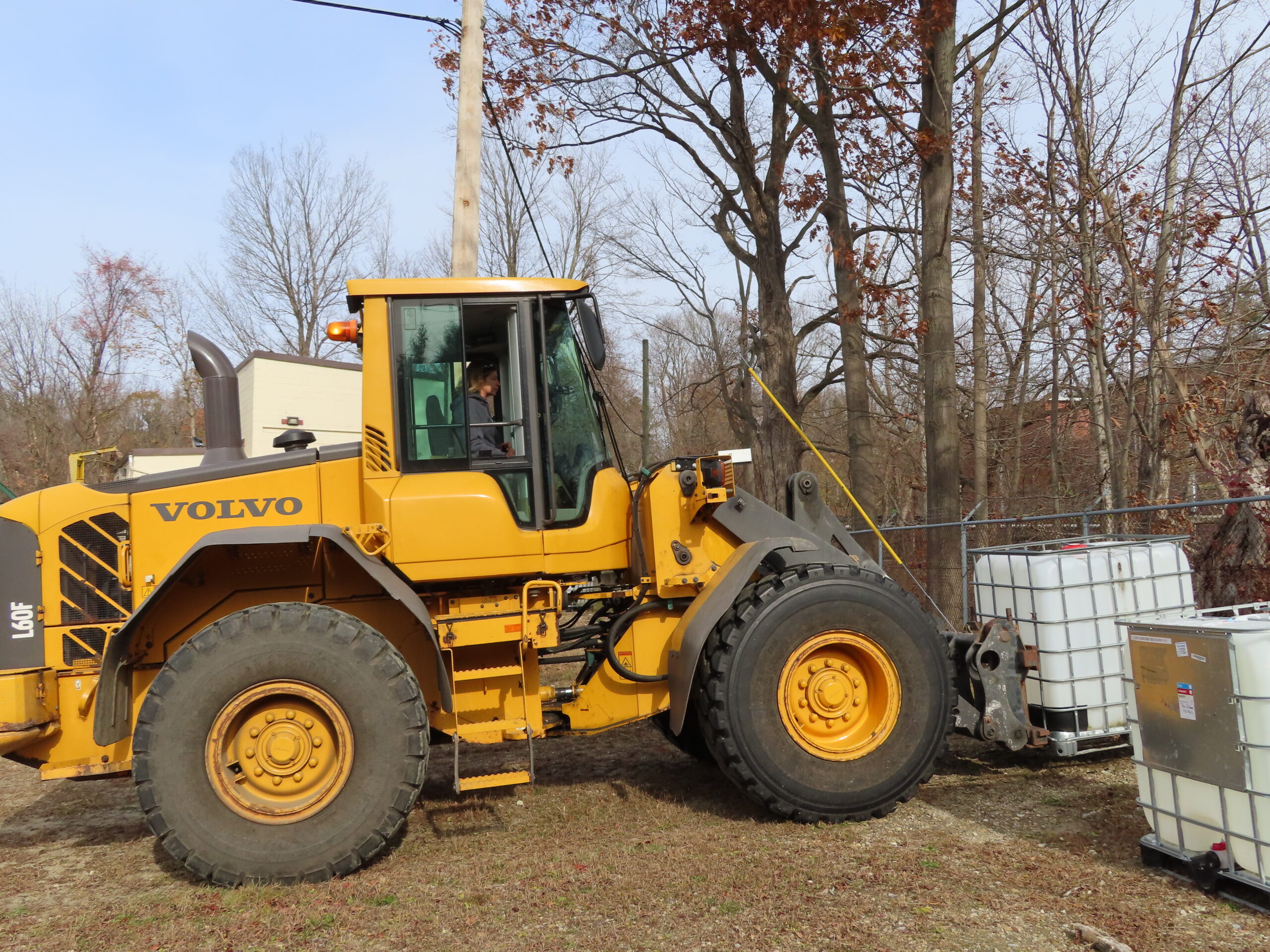
Have you enjoyed educating the public about your job? What has been the response from your community?
There are a lot of people that don’t know what happens when their water goes down the drain. When groups come to the plant for a tour, and the process is being explained you can see that ah-ha moment that makes it all worth it. Sharing how the process works and educating them on what happens when an upset occurs can sometimes be challenging, but usually a very positive response.
“With every training class I attend there is something new to learn about how to keep the biology healthy and what impacts affect it.”
Lessons from parents/role models that still ring true?
Growing up on a farm, a strong work ethic is learned at a young age. My parents always encouraged me to work hard and take pride in my work. Don’t be afraid to try something new, if you fail get back up and try again.
I have always worked in male dominated jobs, and when things would happen, my mom would always say “don’t take their crap”. She said it a little more colorful than that, but it has always stuck with me. She gave me the confidence to try to figure out how to make it better, and stand up for myself when needed.
What thing about your career in wastewater has surprised you most?
There is no “normal” day in wastewater. Everything changes on an hourly and daily basis. With all the changes that we see, the biology has to keep going. There has to be great strides in keeping the biology healthy. With every training class I attend there is something new to learn about how to keep the biology healthy and what impacts affect it. The biological cycle is really an impressive process.
What advice would you give other women looking to pursue a career in this field?
Learn what you can in trainings and find a mentor at your plant to follow. Learn everything from the lab to plant operations and process control. Network with other women operators, everyone has something you can learn from them. Don’t be afraid to chase after what you want.